Journal Tropical
Exploring Unique Concepts in Tropical Building Styles
Tropical architecture is a fascinating field that blends climate responsiveness with cultural aesthetics. It focuses on creating buildings that are not only visually appealing but also functional in hot and humid environments. This style emphasizes natural ventilation, shading, and the use of local materials to enhance comfort and sustainability. In this article, we will explore unique concepts in tropical building styles, highlighting innovative designs and practical approaches that make tropical architecture stand out.
Understanding Tropical Architecture: Key Features and Benefits
Tropical architecture is designed to address the challenges posed by tropical climates, such as intense heat, heavy rainfall, and high humidity. The primary goal is to create comfortable indoor environments while minimizing energy consumption. Some key features of tropical architecture include:
- Open floor plans that promote airflow and natural ventilation.
- Extended roof overhangs to provide shade and protect walls from rain.
- Use of lightweight materials like bamboo, timber, and thatch to reduce heat retention.
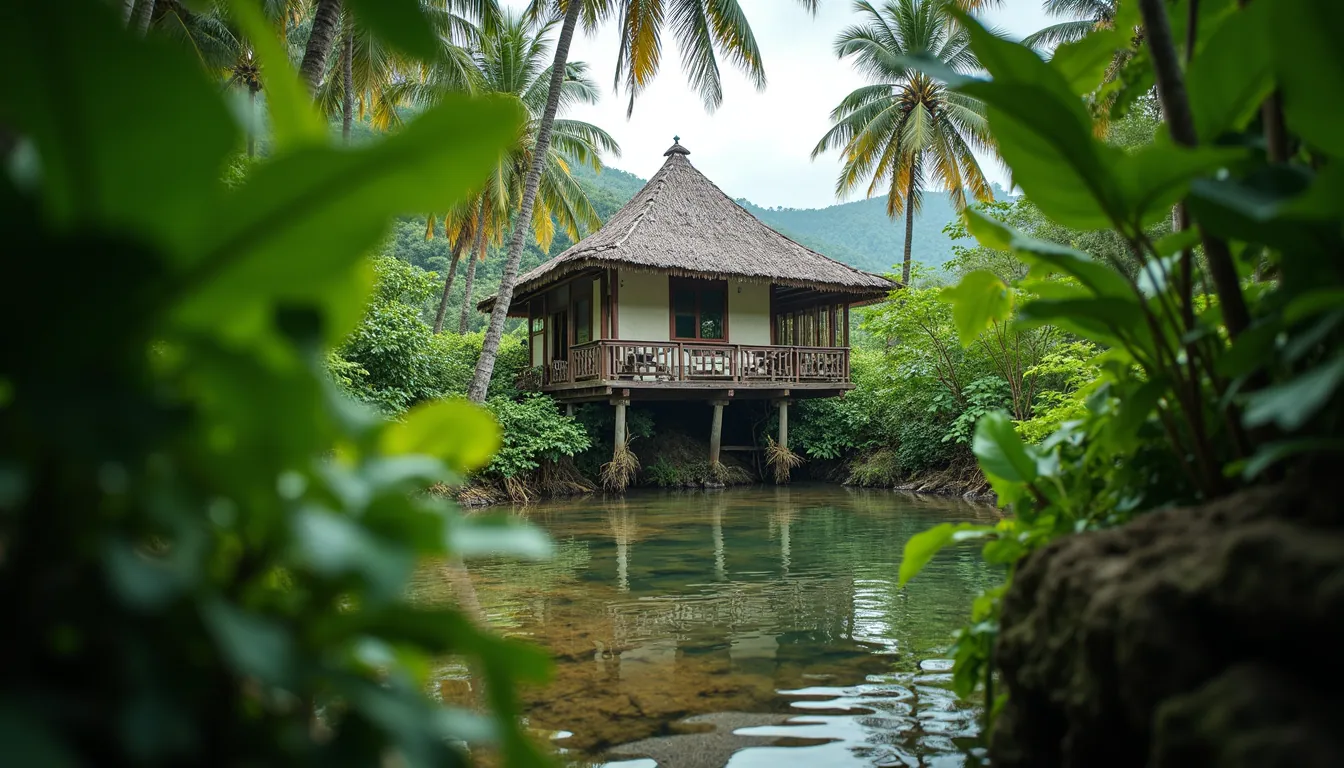
- Elevated structures to avoid flooding and improve air circulation.
- Integration of indoor and outdoor spaces to connect occupants with nature.
These features not only improve comfort but also reduce reliance on artificial cooling systems, making tropical buildings more sustainable. For example, traditional Malay houses use stilts to elevate the structure, allowing cool air to flow underneath and keeping the living spaces cooler.
Traditional stilt house in tropical environment What is the tropical modern approach?
The tropical modern approach combines the principles of modern architecture with the climatic and cultural needs of tropical regions. It embraces simplicity, clean lines, and functional design while incorporating elements that respond to the tropical environment. This approach often features:
- Large windows and sliding doors for cross ventilation.
- Use of concrete, glass, and steel alongside natural materials.
- Shading devices like louvers and pergolas to control sunlight.
- Green roofs and vertical gardens to reduce heat absorption.
- Open-plan living spaces that blur the boundaries between indoors and outdoors.
This style is gaining popularity as it offers a contemporary aesthetic without compromising on comfort or sustainability. A great example is the use of tropical modernism architecture that integrates modern design with traditional tropical elements, creating homes that are both stylish and climate-adaptive.
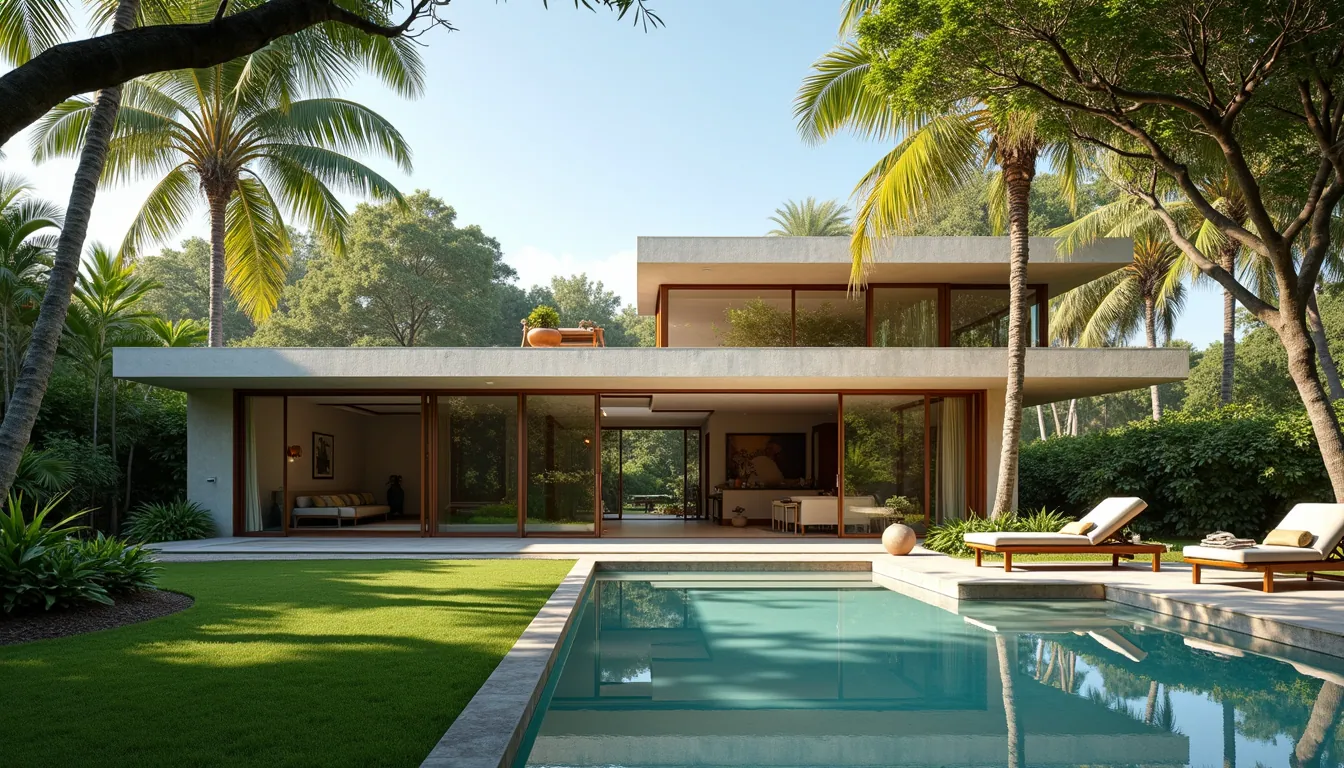
Modern tropical house with glass and shading elements Innovative Materials and Techniques in Tropical Building Styles
Material selection plays a crucial role in tropical architecture. The right materials can enhance durability, thermal comfort, and environmental harmony. Some innovative materials and techniques include:
- Bamboo and engineered wood - Bamboo is a fast-growing, renewable resource that is strong and flexible. Engineered wood products offer enhanced durability and resistance to moisture.
- Rammed earth walls - These provide excellent thermal mass, keeping interiors cool during the day and warm at night.
- Green walls and roofs - Vegetation on walls and roofs helps insulate buildings and reduce heat gain.
- Reflective roofing materials - Light-colored or reflective roofs minimize heat absorption.
- Rainwater harvesting systems - Integrated into the design to manage heavy tropical rains sustainably.
Using these materials and techniques not only improves building performance but also supports local economies and reduces environmental impact. For instance, rammed earth homes in tropical regions maintain comfortable temperatures without relying heavily on air conditioning.
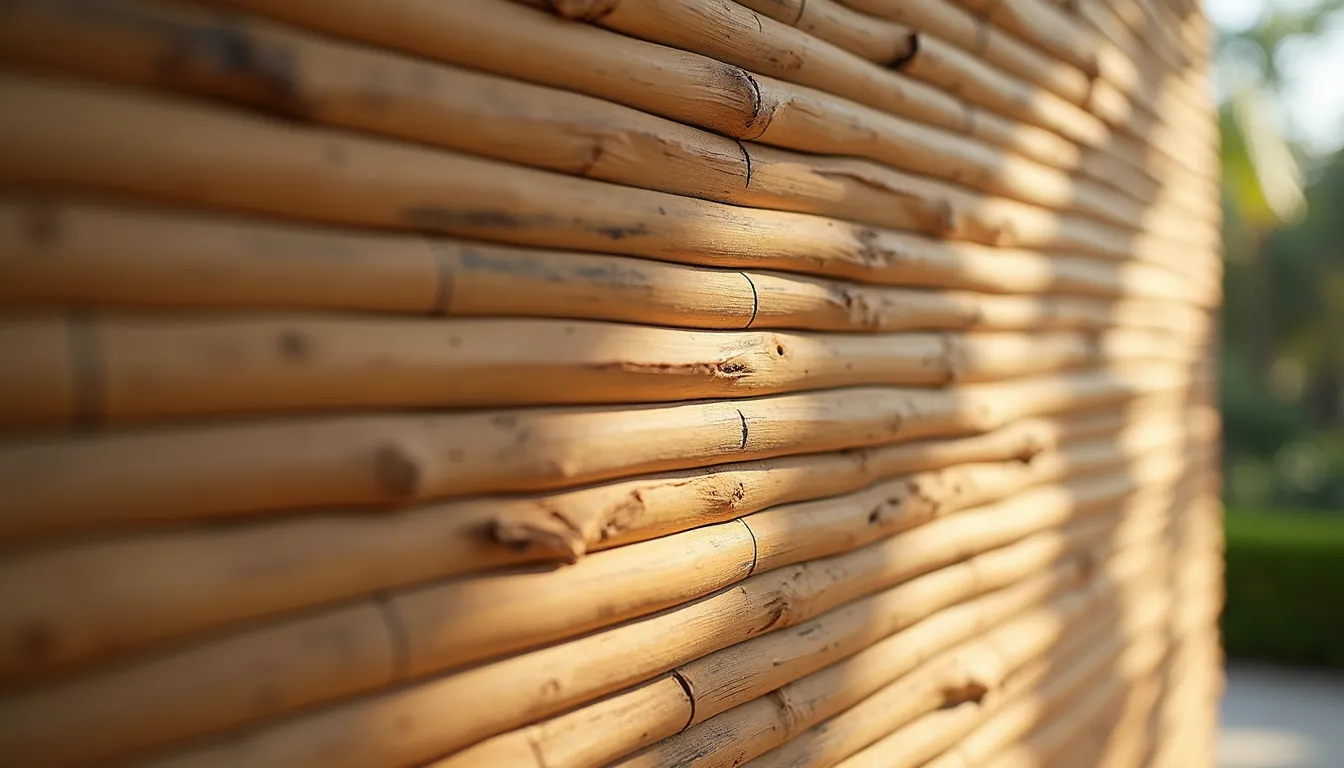
Bamboo wall panel in tropical building Designing for Climate: Practical Tips for Tropical Architecture
Designing buildings for tropical climates requires careful consideration of environmental factors. Here are some practical tips to optimize tropical architecture:
- Maximize cross ventilation by aligning windows and openings to prevailing winds.
- Incorporate shading devices such as verandas, pergolas, and deep eaves.
- Use light-colored exterior finishes to reflect sunlight.
- Elevate the building to prevent flooding and improve airflow.
- Design flexible spaces that can adapt to changing weather conditions.
- Integrate landscaping with native plants to provide natural cooling and reduce heat islands.
By applying these strategies, architects and builders can create spaces that are comfortable year-round and reduce energy costs. For example, designing a home with operable windows on opposite walls allows for natural cooling through cross breezes.
The Future of Tropical Architecture: Sustainability and Innovation
As climate change intensifies, tropical architecture is evolving to meet new challenges. Sustainability is at the forefront, with innovations such as:
- Smart building technologies that monitor and adjust indoor climate.
- Passive cooling systems that use natural ventilation and thermal mass.
- Renewable energy integration like solar panels and wind turbines.
- Water-efficient landscaping and greywater recycling.
- Modular and prefabricated construction to reduce waste and speed up building.
These advancements promise to make tropical buildings more resilient, eco-friendly, and cost-effective. Embracing these trends will help communities in tropical regions adapt to environmental changes while preserving cultural identity.
Exploring tropical architecture reveals a rich blend of tradition, innovation, and environmental sensitivity. Whether through the use of natural materials, climate-responsive design, or modern aesthetics, tropical building styles offer valuable lessons in creating sustainable and comfortable living spaces. By understanding and applying these unique concepts, architects and homeowners can contribute to a greener and more livable future in tropical regions.