
AI Transformations in Indian Architecture: Exploring AI Design in Architecture
- Sethukrishnan T S
- Jun 8
- 4 min read

The world of architecture is evolving rapidly, and one of the most exciting drivers of this change is artificial intelligence (AI). In India, where tradition meets innovation, AI is reshaping how buildings are designed, constructed, and experienced. As someone deeply interested in architecture and technology, I find this transformation fascinating. It’s not just about futuristic designs; it’s about creating sustainable, functional spaces that resonate with the cultural and environmental context of India.
AI design in architecture is no longer a distant dream. It’s happening right now, influencing everything from initial sketches to energy-efficient building management. This blog post will take you through the key ways AI is transforming Indian architecture, practical examples, and how these changes can benefit homeowners, commercial developers, and businesses, especially those looking for sustainable and innovative solutions.
How AI Design in Architecture is Changing the Game
AI design in architecture is revolutionizing the way architects and developers approach their projects. Traditionally, architectural design involved manual drafting, physical models, and a lot of guesswork about how a building would perform in real life. Today, AI tools can analyze vast amounts of data to optimize designs for energy efficiency, structural integrity, and aesthetics.
For example, AI algorithms can simulate sunlight patterns throughout the year to help design buildings that maximize natural light while minimizing heat gain. This is particularly important in India’s diverse climate zones, where managing heat and light can significantly reduce energy consumption.
Moreover, AI-powered generative design tools allow architects to input specific parameters—like budget, materials, and environmental constraints—and receive multiple design options that meet those criteria. This not only speeds up the design process but also encourages creativity by exploring solutions that might not have been considered otherwise.
In Kochi, where Brickweavers operates, these AI-driven approaches are helping create buildings that are not only beautiful but also sustainable and functional. The integration of AI means that every design decision is backed by data, ensuring better outcomes for clients and the environment.

Practical Applications of AI in Indian Architecture
AI’s impact on Indian architecture goes beyond design. It’s influencing construction, project management, and even post-occupancy building operations. Here are some practical ways AI is being used:
Smart Material Selection: AI can analyze local materials for durability, cost, and environmental impact, helping architects choose the best options for their projects.
Construction Automation: Robotics and AI-driven machinery are improving precision and safety on construction sites, reducing waste and speeding up timelines.
Energy Management Systems: AI-powered sensors and control systems optimize heating, cooling, and lighting in real-time, reducing energy bills and carbon footprints.
Urban Planning: AI models simulate traffic flow, population growth, and environmental impact to help design smarter, more livable cities.
One standout example is the use of AI in designing rainwater harvesting systems tailored to local rainfall patterns. This is crucial in many parts of India, including Kerala, where managing water resources sustainably is a priority.
By embracing these technologies, architects and developers can create buildings that are not only aesthetically pleasing but also aligned with the principles of sustainability and efficiency.
What is the 30% Rule for AI?
The 30% rule for AI is a guideline often referenced in the context of AI adoption in architecture and construction. It suggests that AI can improve productivity and efficiency by at least 30% when integrated thoughtfully into workflows. This rule highlights the potential for significant gains without overwhelming existing processes.
In practical terms, this means that by using AI tools for tasks like design optimization, project scheduling, or quality control, architectural firms can reduce errors, save time, and cut costs. For example, AI-driven clash detection in building information modeling (BIM) can identify design conflicts early, preventing costly rework during construction.
For businesses and developers, understanding this rule can help set realistic expectations and encourage investment in AI technologies that offer measurable returns. It’s not about replacing human creativity but enhancing it with smart tools.
The Role of AI in Sustainable Architecture in India
Sustainability is at the heart of modern architecture, and AI is a powerful ally in this mission. In India, where environmental challenges are pressing, AI helps architects design buildings that minimize resource use and environmental impact.
AI can analyze local climate data, soil conditions, and energy consumption patterns to recommend design features that improve sustainability. For instance, AI can suggest optimal insulation materials, natural ventilation strategies, or solar panel placements tailored to a specific site.
Additionally, AI-driven simulations can predict a building’s carbon footprint over its lifecycle, enabling architects to make informed decisions that reduce emissions. This aligns perfectly with the goals of firms like Brickweavers, which focus on timeless, sustainable designs that enhance how people live and work.
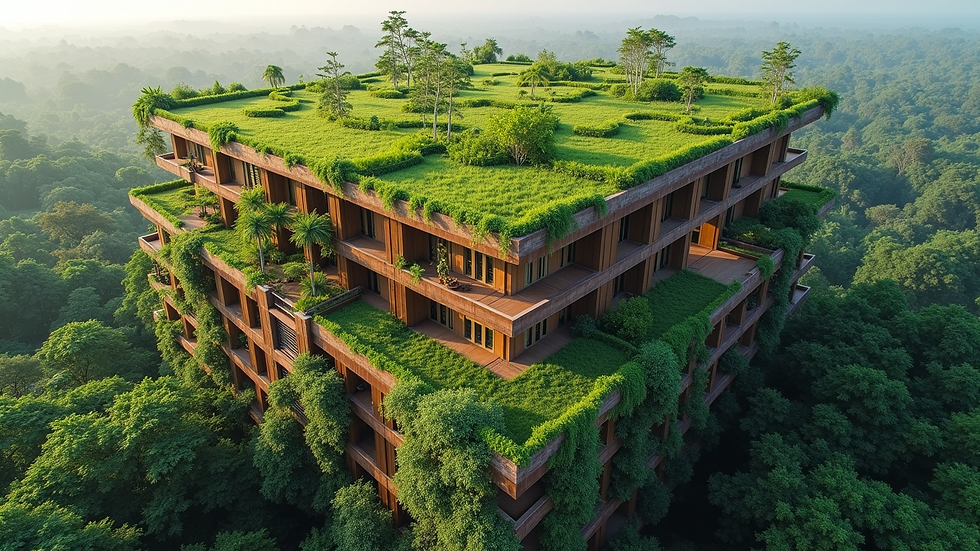
By integrating AI into the design process, architects can create buildings that are not only beautiful and functional but also responsible stewards of the environment.
Embracing AI for Future-Ready Architecture
Looking ahead, the role of AI in Indian architecture will only grow. As technology advances, we can expect even more sophisticated tools that blend AI with virtual reality, augmented reality, and the Internet of Things (IoT). These innovations will enable architects to create immersive design experiences and smarter buildings that adapt to their occupants’ needs.
For homeowners and commercial developers, embracing AI means investing in future-ready properties that offer comfort, efficiency, and sustainability. It also means partnering with architectural studios that understand how to leverage AI effectively.
If you’re interested in exploring how AI can transform your next project, consider working with experts who combine deep architectural knowledge with cutting-edge technology. This approach ensures your building is not just a structure but a living, evolving space that enhances your lifestyle or business.
For more insights on this topic, you can explore resources on ai architecture india.
AI is not just a tool; it’s a partner in creating the next generation of Indian architecture—one that honors tradition while embracing innovation.
By understanding and applying AI in architecture, we can build a future that is smarter, greener, and more beautiful. Whether you’re planning a new home, a commercial space, or a community project, AI offers practical solutions that make a real difference. The journey of AI transformations in Indian architecture is just beginning, and it’s an exciting time to be part of this evolution.


Comments