Journal Sustainability
Creative Ideas for Sustainable and Green Architecture
In recent years, the need for sustainable building practices has gained momentum. As climate change becomes an increasing concern, both architects and homeowners are searching for ways to create structures that are not only aesthetically pleasing but also eco-friendly. This blog post explores creative ideas for sustainable and green architecture that can be implemented in various projects.
Benefits of Eco-Friendly Ideas
Choosing eco-friendly building strategies comes with a myriad of benefits. First, energy efficiency is often a major priority for sustainable designs. Buildings that utilize natural materials and energy-producing technologies can significantly reduce electricity costs. For example, passive solar design integrates sunlight into the structure to minimize heating and cooling needs. A well-placed window can harness natural light and warmth, ultimately reducing reliance on traditional energy sources.
Sustainable buildings also have a positive impact on public health. Materials sourced from the earth, such as bamboo or recycled steel, often contain fewer harmful chemicals compared to conventional building materials. Moreover, properly ventilated and insulated buildings can improve indoor air quality, leading to healthier living environments.
Finally, eco-friendly buildings can increase the value of a property. As the demand for environmentally conscious living spaces rises, buyers are more inclined to invest in homes that feature sustainable designs.
Innovative Eco-Friendly Ideas
With the endless possibilities in sustainable architecture, here are some innovative ideas that stand out:
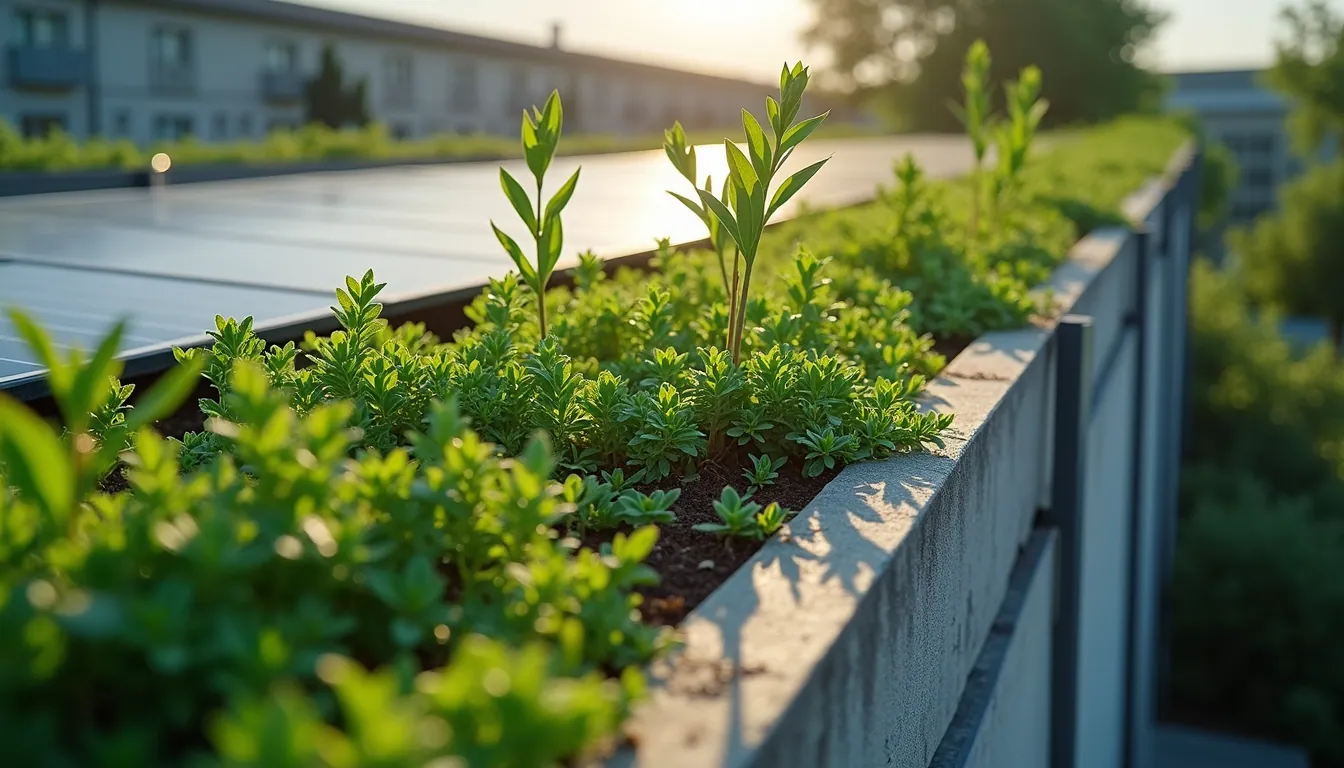
- Green Roofs: Incorporating a green roof into a building design can provide numerous ecological and personal benefits. A green roof absorbs rainwater, reduces heat, and improves air quality. This technology is not just reserved for urban areas; rural homes can also benefit from this integration of nature.
- Green roofs can help improve air quality and reduce urban heat. Earth Sheltered Homes: These homes are built into the earth, providing excellent insulation and requiring less energy for heating and cooling. They blend seamlessly into the landscape and have been found to drastically decrease the effects of wind and temperature fluctuations.
- Reclaimed Materials: Using reclaimed wood, metals, and bricks from old buildings can reduce waste and minimize the carbon footprint of production. This not only conserves resources but also adds character and history to new constructions.
What are some eco-friendly ideas?
- Natural Insulation: Think beyond conventional insulation methods. Materials like sheep's wool, hemp, and cellulose can provide effective thermal properties while being biodegradable. These options further contribute to reducing the overall carbon footprint of a building.
- Rainwater Harvesting: Implementing systems to collect rainwater for irrigation and non-potable uses is a great way to conserve water. This is especially beneficial in areas prone to drought or where water conservation is mandated.
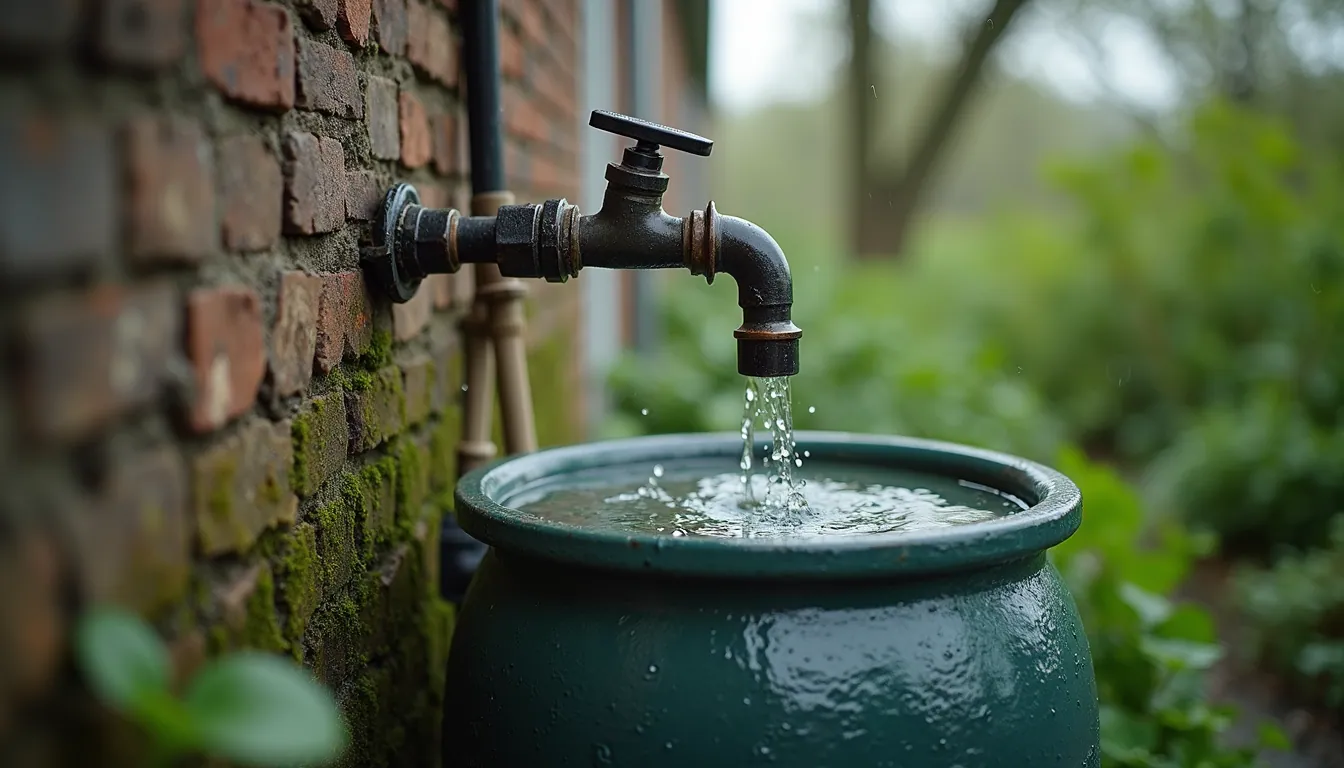
- Rainwater harvesting systems can significantly conserve water resources. Solar Panels: Photovoltaic systems transform sunlight directly into electricity. With many incentives available for installation, investing in solar energy can lead to long-term savings.
- Biophilic Design: This concept integrates natural elements—like plants, water features, and natural lighting—into the architecture. Bringing nature inside can increase well-being and productivity while also lowering stress levels.
- Smart Energy Management: Investing in smart technology for energy management can significantly reduce energy waste. Smart thermostats and sensors can adapt energy use based on occupancy and preference, making them increasingly popular in new construction.
Legal Considerations and Building Codes
When implementing eco-friendly architecture ideas, it’s essential to be aware of local building codes and regulations. Some areas offer tax incentives or grants for sustainable construction methods, while others may impose limitations on certain materials or designs. Ultimately, understanding these legal frameworks can optimize your design process and aid in successful project completion.
Consulting with professionals in eco-friendly architecture can provide valuable insights and ensure compliance with regulations while maximizing sustainability.
Successful Examples of Sustainable Architecture
Looking at real-world examples can inspire new architectural concepts.
- The Edge in Amsterdam: This is one of the greenest buildings in the world, featuring solar panels, green roofs, and energy-efficient systems. The Edge is an office building designed to minimize resource use while maximizing worker comfort and productivity.
- Bosco Verticale in Milan: A residential complex characterized by its vertical forest design, this building is covered in trees and shrubs. It improves air quality while offering residents a unique living experience.
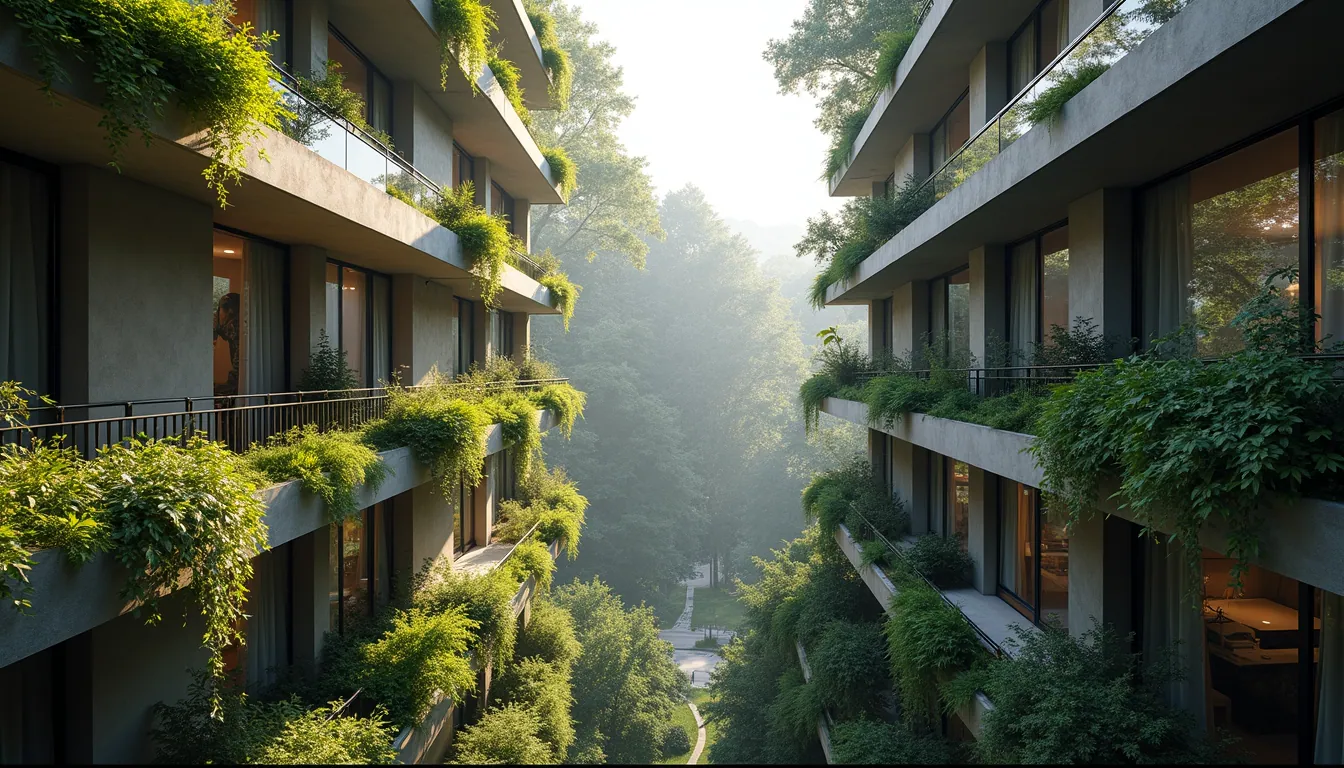
Bosco Verticale represents innovative use of nature in urban environments. Future of Green Architecture
As we move forward, the future of architecture will heavily lean toward sustainability. Innovations in materials science, technology, and design reveal a trend focused on efficiency and responsibility. Architects and builders are now more collaborative than ever, finding solutions that fulfill both client desires and environmental needs.
By embracing concepts like net-zero buildings, which generate as much energy as they consume, the industry can help combat climate change. Additionally, educating the public about the benefits of sustainable architecture can drive demand, leading to a broader acceptance of these practices in mainstream construction.
Investing in sustainable architecture is not merely a trend; it is an opportunity to create a harmonious balance throughout our built environments. With options ranging from micro-housing to larger commercial structures, there are countless paths to achieving beautiful, eco-friendly spaces.
Explore more about eco-friendly architecture ideas here to further expand your understanding and options in sustainable design.
By implementing these creative, practical approaches, we can shift our building practices toward a more sustainable future, ensuring that future generations will also enjoy the beauty and benefits of green architecture.