Journal Homes
Innovative Architectural Tips for Transforming Your House into a Cozy Home in 2025
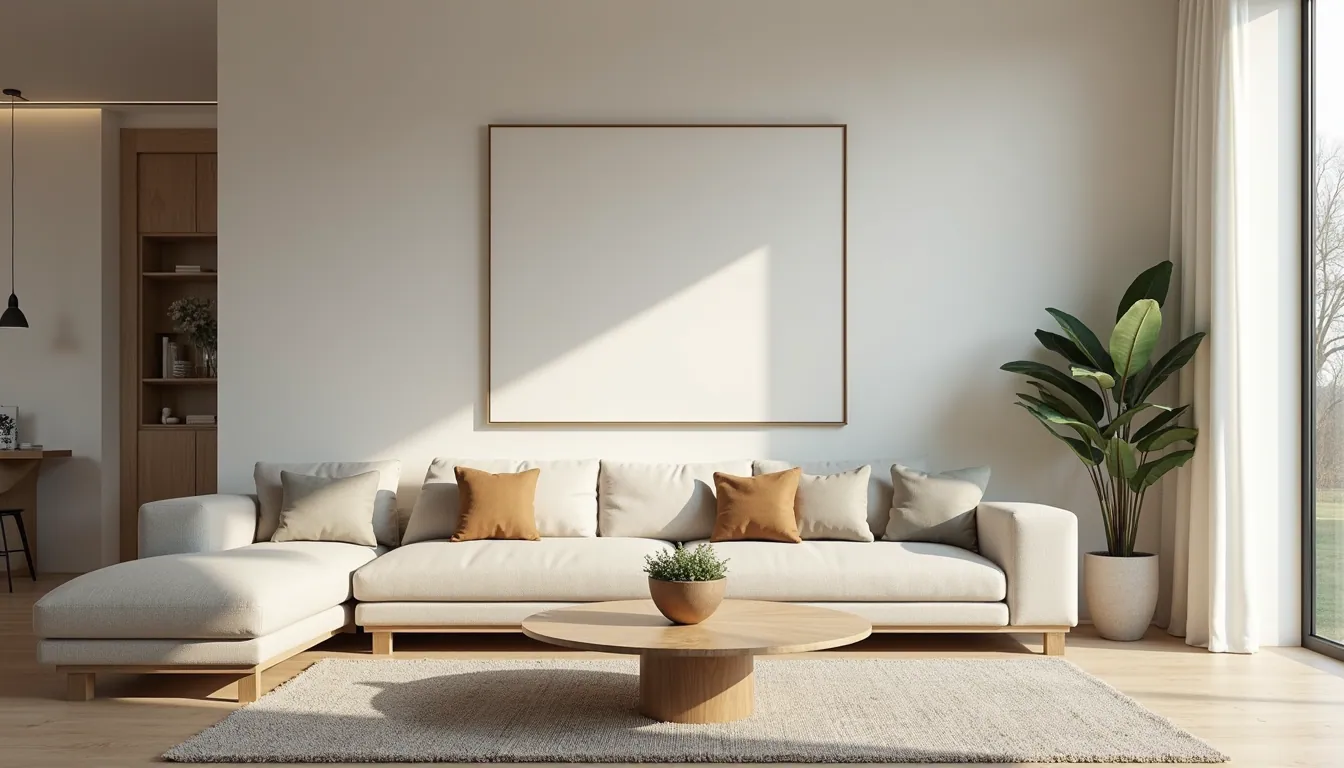
Creating a Welcoming Home: Embrace Your Unique Style and Comfort
Creating a welcoming home that reflects your unique personality while offering comfort and practicality is a rewarding journey. As we look toward 2025, architectural trends are increasingly focused on sustainability, smart technology, and personalized spaces. In this post, we will explore actionable strategies that can help you mold your house into a cozy haven, allowing it to adapt to your lifestyle and preferences.
Embrace Open Spaces
The popularity of open floor plans continues to rise, especially as more people work remotely. Open spaces promote a sense of freedom and encourage social interaction. For example, removing non-load-bearing walls can create a fluid connection between your living room, dining space, and kitchen.
Open layouts allow natural light to fill your home, enhancing its warmth and inviting atmosphere. Use furniture strategically to define areas within an open space. This ensures that even in a shared room, everyone feels comfortable and connected.
Prioritize Sustainable Materials
As we approach 2025, eco-conscious living is more important than ever. To reduce your carbon footprint, consider materials like bamboo flooring, recycled steel, or reclaimed wood. For instance, bamboo flooring can last much longer than traditional hardwood while being a renewable resource.
Energy-efficient insulation and double-glazed windows can significantly reduce heating and cooling costs. Properties with good insulation can save up to 30% on energy bills annually. Additionally, choose paints that are low in volatile organic compounds (VOCs) to enhance indoor air quality.
Innovate with Smart Home Technology
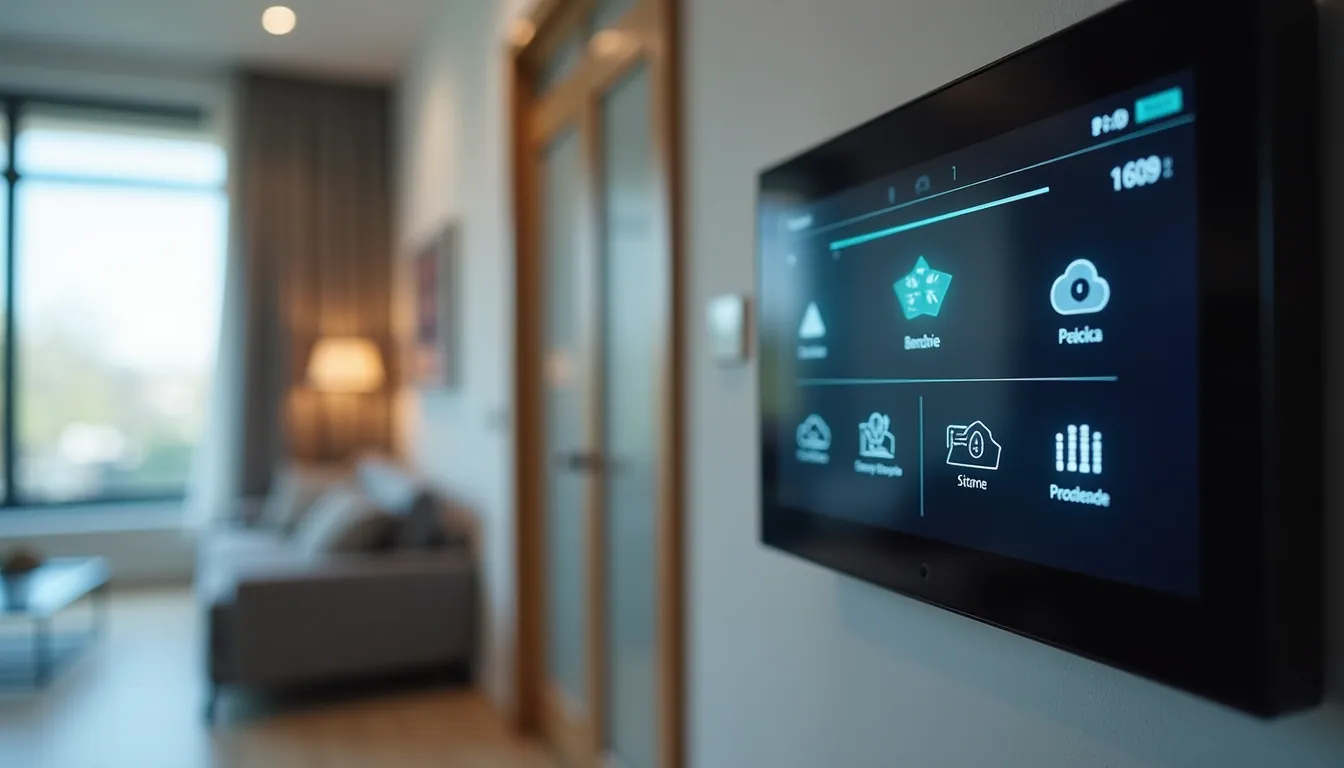
Integrating smart home technology into your design can greatly enhance convenience and energy efficiency. Features such as smart thermostats, automated lighting systems, and security setups can simplify daily tasks and offer peace of mind.
When planning your home, incorporate wiring for smart devices in your architecture. Ensure that sensors and controls are user-friendly and blend seamlessly into your overall design philosophy. This will maintain a neat and uncluttered look.
Cultivate Indoor-Outdoor Connectivity
Blending indoor and outdoor spaces is becoming essential as people seek nature's calming effects. Install large glass doors or windows that open up to garden areas or patios to create a seamless connection to the outdoors.
For example, outfitting an outdoor space with comfortable seating, fire pits, or even an outdoor kitchen can transform it into a functional extension of your living area. Consider adding vertical gardens or potted plants to enhance the environment and enjoyment of your outdoor space throughout the year.
Incorporate Personal Details
To truly feel at home, your space should tell your story. Personal touches can include family photos, unique travel souvenirs, or handmade decor that showcases your creativity and experiences.
When selecting decor, let your individuality shine through. Choose warm color palettes like earth tones or soft pastels and incorporate a variety of textures in fabrics and furnishings. This thoughtful curation will enhance your home’s character, creating a warm and inviting atmosphere.
Plan for Versatile Spaces
Flexibility in design is increasingly necessary as our lifestyles change. For instance, dedicate a room that can serve multiple functions. A home office can also function as a guest bedroom, while a playroom can double as a yoga space.
Modular furniture can significantly aid in achieving this flexibility. Pieces like foldable desks, sofa beds, or expandable dining tables can help you maximize your available space for various activities.
Focus on Comfort and Well-being
Recognizing the link between our environments and well-being is essential in 2025. Incorporating natural elements, cozy furniture, and abundant greenery can help create a tranquil environment.
Focus on designing areas that encourage relaxation. Consider soft lighting and calming color schemes. Place plants strategically throughout your space to enhance air quality while promoting peace and tranquility. By embracing biophilic design principles, you can create a serene oasis in your home.
Emphasize Natural Light
Good lighting significantly impacts mood and well-being. Maximizing natural light in your home not only makes it more pleasant but also improves energy efficiency. Large windows, skylights, and thoughtful openings to outdoor areas can draw abundant light inside.
When planning your layout, think about window placements to take advantage of sunlight during colder months while minimizing heat in summer. A light-filled home creates a welcoming and vibrant atmosphere.
Creating Your Cozy Sanctuary
Transforming your house into a cozy home requires planning and an eye for detail. As we embrace architectural trends in 2025, focusing on sustainability, innovative technology, and personal comfort will help shape this transformation.
By designing open spaces, selecting eco-friendly materials, integrating smart features, fostering indoor-outdoor connections, and emphasizing personal touches, you can build a sanctuary that truly represents you. With thoughtful design, your house can become a warm and inviting home that accommodates your life beautifully.
Conclusion: Your Journey to a Personalized Home
In conclusion, creating a home that reflects your personality while ensuring comfort and practicality is a fulfilling endeavor. As we move toward 2025, the emphasis on sustainability and smart technology will shape how we design our living spaces. Remember, your home should be a sanctuary that adapts to your needs and preferences. By incorporating these strategies, you can create a cozy haven that not only looks beautiful but also enhances your lifestyle.
Explore the possibilities and start your journey toward a personalized home today!