Journal AI
How AI is Transforming Architecture in India

Architecture is evolving rapidly, and one of the most exciting drivers of this change is artificial intelligence (AI). In India, where tradition meets innovation, AI is reshaping how buildings are designed, constructed, and experienced. From sustainable homes to smart commercial spaces, AI is helping create architecture that is not only beautiful but also efficient and environmentally friendly.
Let me take you through how AI is transforming architecture in India, with practical insights and examples that highlight this fascinating journey.
The Rise of AI in Architecture India
AI is no longer just a futuristic concept; it’s becoming an essential tool in the architectural world. In India, architects and developers are embracing AI to tackle challenges like urban density, climate change, and resource management. AI-powered software can analyze vast amounts of data to optimize building designs for energy efficiency, cost-effectiveness, and aesthetics.
For example, AI algorithms can simulate sunlight patterns and airflow to design buildings that naturally stay cool, reducing the need for air conditioning. This is especially important in Indian cities like Kochi, where the tropical climate demands smart solutions to keep interiors comfortable without excessive energy use.
Moreover, AI helps architects visualize projects in 3D, allowing clients to experience their future homes or offices virtually. This immersive experience improves communication and ensures that the final design aligns perfectly with the client’s vision.
Eye-level view of a modern architectural model with AI design software on screen Practical Applications of AI in Indian Architecture
AI’s impact on architecture in India goes beyond design. It’s influencing every stage of the building process:
- Site Analysis: AI tools analyze soil quality, topography, and environmental factors to recommend the best construction methods and materials.
- Material Selection: AI can suggest sustainable materials that reduce carbon footprints and improve durability.
- Project Management: AI-driven platforms track construction progress, predict delays, and optimize resource allocation.
- Smart Buildings: AI integrates with IoT devices to create buildings that adjust lighting, temperature, and security automatically.
Take the example of a commercial developer in Kochi who used AI to design a mixed-use building. The AI system recommended a layout that maximized natural light and ventilation, reducing energy costs by 30%. It also suggested locally sourced materials that cut transportation emissions and supported the local economy.
These practical applications show how AI is not just a buzzword but a powerful ally in creating sustainable, functional architecture.
What is the salary of AI architect in India?
If you’re curious about the career prospects in this exciting field, AI architects in India are seeing growing demand. Salaries vary based on experience, location, and company size, but here’s a general idea:
- Entry-level AI architects can expect around ₹6-8 lakhs per annum.
- Mid-level professionals with 3-5 years of experience earn between ₹12-18 lakhs per annum.
- Senior AI architects or those leading projects can command ₹25 lakhs or more annually.
These figures reflect the specialized skills required to blend architectural knowledge with AI expertise. As AI continues to integrate deeper into architecture, these roles will become even more valuable.
How AI Enhances Sustainability in Architecture
Sustainability is a top priority in modern architecture, and AI is a game-changer here. In India, where environmental concerns are critical, AI helps design buildings that minimize waste and energy consumption.
AI can analyze climate data to recommend designs that reduce heat gain or loss, optimize water usage, and incorporate renewable energy sources like solar panels. For instance, AI can simulate how a building’s orientation affects solar exposure throughout the year, guiding architects to position windows and shading devices optimally.
Additionally, AI-driven predictive maintenance systems monitor building health, identifying issues before they become costly repairs. This proactive approach extends the lifespan of structures and reduces environmental impact.
By integrating AI, architects in India can create buildings that are not only beautiful but also responsible stewards of the environment.
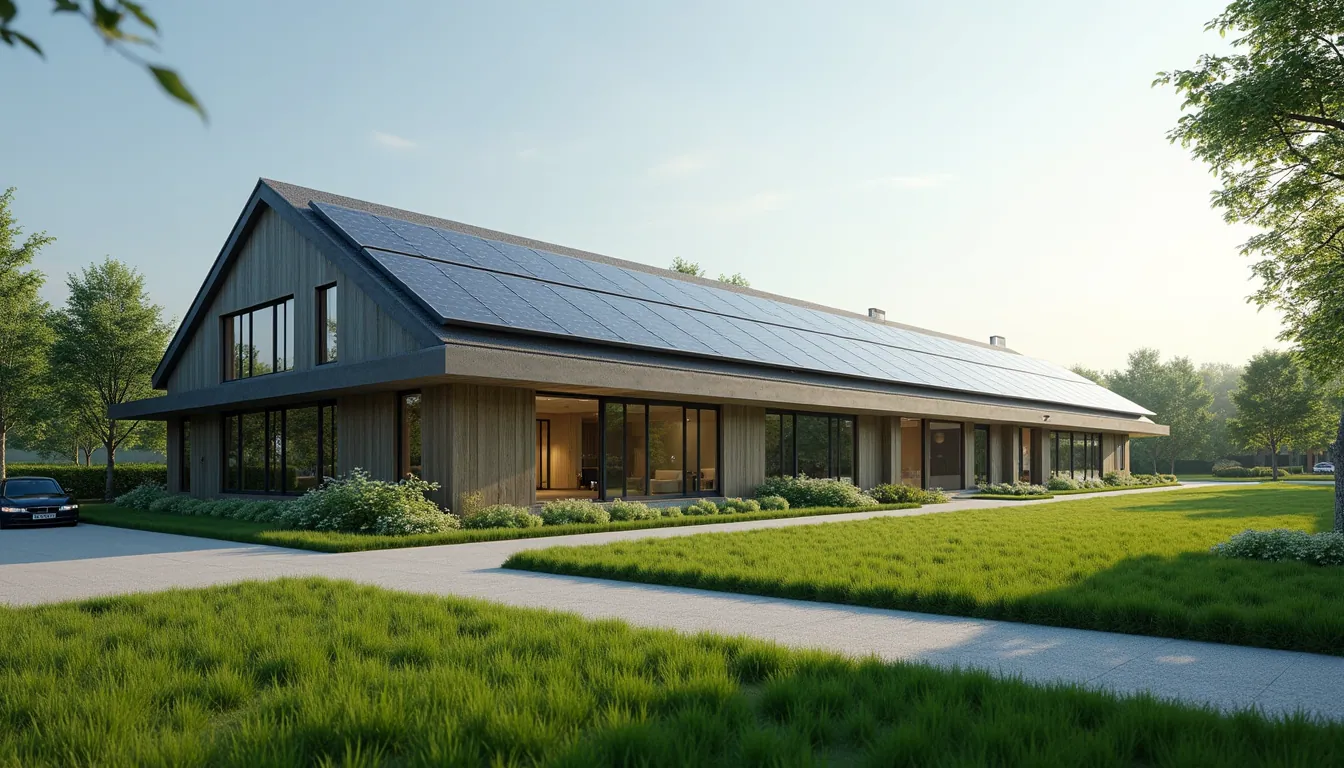
Wide angle view of a sustainable building with solar panels and green landscaping Embracing AI for Client-Centered Architectural Solutions
One of the most exciting aspects of AI in architecture is how it enhances client engagement. AI tools allow architects to tailor designs to individual needs and preferences more precisely than ever before.
Imagine working with an AI system that learns your lifestyle habits, space requirements, and aesthetic tastes. It can generate multiple design options, each optimized for comfort, functionality, and sustainability. This personalized approach ensures that every project feels unique and truly serves its occupants.
For commercial developers, AI can analyze market trends and consumer behavior to design spaces that attract tenants and customers. This data-driven insight helps create environments that boost productivity and satisfaction.
By combining AI with human creativity, architects in India are delivering solutions that are innovative, practical, and deeply client-focused.
Looking Ahead: The Future of AI in Indian Architecture
The journey of AI in architecture is just beginning. As technology advances, we can expect even more transformative changes:
- Generative Design: AI will create countless design alternatives based on specific goals, allowing architects to explore new possibilities.
- Robotics and Automation: Construction robots guided by AI will speed up building processes and improve precision.
- Augmented Reality (AR): Clients will walk through virtual models of their future spaces, making design decisions easier and more informed.
- Smart Cities: AI will integrate architecture with urban planning to create connected, efficient, and sustainable communities.
For those involved in architecture and development, staying informed about AI trends is essential. Embracing these technologies will not only improve project outcomes but also position you at the forefront of innovation.
If you want to explore more about how ai architecture india is shaping the future, keep an eye on emerging tools and case studies from leading studios.
Building a Sustainable Future with AI
AI is more than a tool - it’s a partner in creating architecture that respects the environment, meets human needs, and stands the test of time. In India, where the demand for sustainable and functional design is growing, AI offers solutions that are both visionary and practical.
By integrating AI into architectural practice, we can design spaces that enhance how people live and work, reduce environmental impact, and celebrate local culture and materials. This blend of technology and tradition is the key to building a better future.
Whether you’re planning a new home, a commercial project, or a community space, consider how AI can help you achieve your goals. The possibilities are vast, and the benefits are clear.
Let’s embrace AI to craft timeless, sustainable architecture that truly makes a difference.