Journal Cities
Sustainable Cities: Planning for the Future
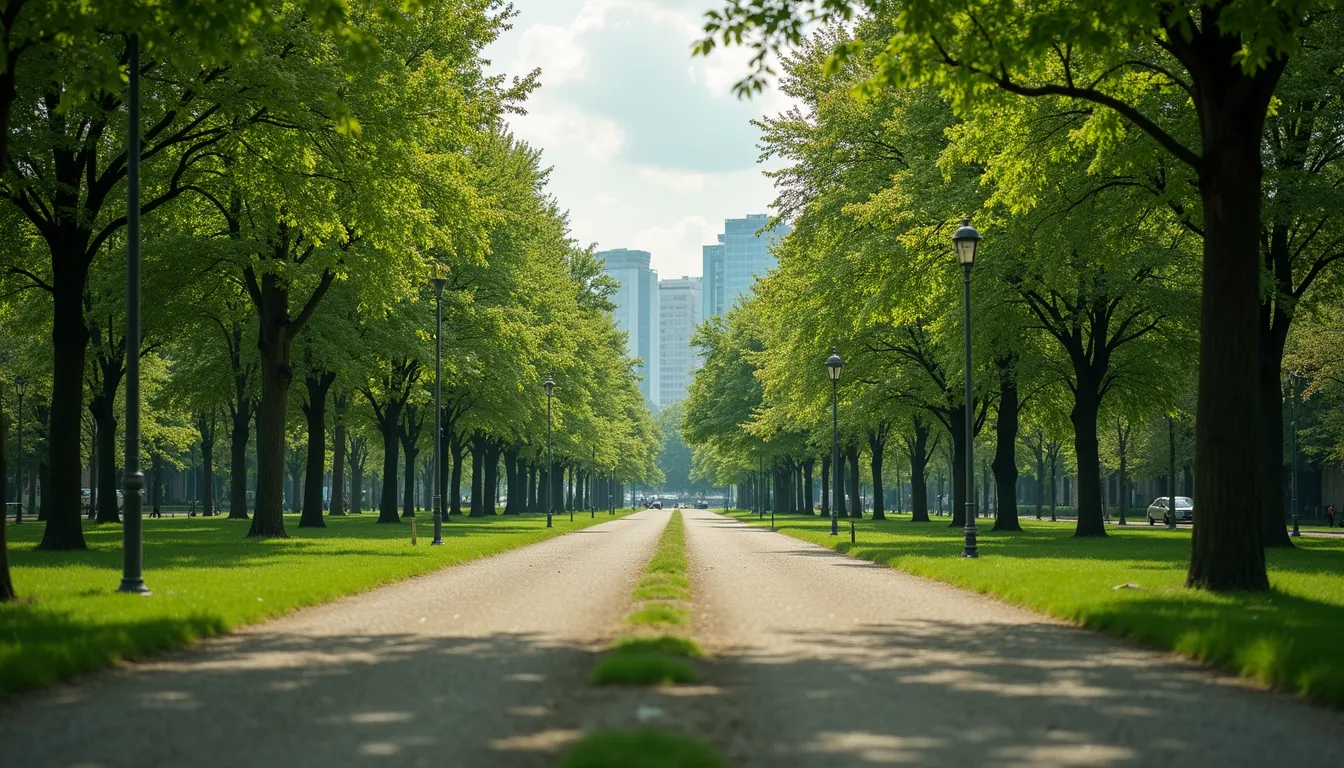
As urban populations continue to grow, the need for smarter, greener cities becomes more urgent. Sustainable cities are designed to minimize environmental impact while improving the quality of life for their residents. This blog explores how innovative technologies, thoughtful design, and community engagement can transform urban spaces into thriving, eco-friendly environments. By embracing sustainable city planning, we can create a future where cities coexist harmoniously with nature.
The Importance of Sustainable Cities in Modern Urban Development
Sustainable cities are more than just a trend; they are a necessity for the future. Urban areas consume a significant portion of the world's resources and generate a large share of greenhouse gas emissions. By focusing on sustainability, cities can reduce pollution, conserve resources, and promote healthier lifestyles.
Key benefits of sustainable cities include:
- Reduced carbon footprint through renewable energy and efficient transportation.
- Improved air and water quality by managing waste and pollution.
- Enhanced green spaces that support biodiversity and provide recreational areas.
- Economic growth driven by green jobs and sustainable industries.
- Social equity by ensuring access to resources and opportunities for all residents.
For example, cities like Copenhagen and Singapore have implemented extensive green infrastructure and public transit systems that significantly lower their environmental impact. These cities serve as models for others aiming to become more sustainable.
Urban park promoting green spaces in sustainable cities Strategies for Developing Sustainable Cities
Creating sustainable cities requires a multi-faceted approach that integrates technology, policy, and community involvement. Here are some practical strategies:
1. Smart Infrastructure
Smart infrastructure uses sensors and data analytics to optimize energy use, traffic flow, and waste management. For instance, smart grids can balance electricity demand and supply, reducing energy waste. Intelligent traffic systems can decrease congestion and emissions by adjusting signals in real-time.
2. Renewable Energy Integration
Switching to renewable energy sources like solar, wind, and geothermal reduces reliance on fossil fuels. Cities can install solar panels on rooftops, develop wind farms, and encourage energy-efficient building designs.
3. Sustainable Transportation
Promoting public transit, cycling, and walking reduces vehicle emissions. Electric buses and car-sharing programs also contribute to cleaner air. Designing cities with mixed-use developments encourages residents to live closer to work and amenities, cutting down travel distances.
4. Green Building Practices
Constructing buildings with sustainable materials and energy-efficient designs lowers environmental impact. Features like green roofs, rainwater harvesting, and natural ventilation improve building performance and occupant comfort.
5. Waste Reduction and Recycling
Implementing comprehensive recycling programs and encouraging composting reduce landfill waste. Cities can also adopt circular economy principles, where materials are reused and repurposed.
By combining these strategies, cities can become more resilient and environmentally friendly. For more detailed insights on sustainable city planning, visit this resource.

Solar panels installed on city rooftops for renewable energy What are the three pillars of sustainable city?
Understanding the three pillars of sustainable city development is essential for effective planning. These pillars provide a framework to balance environmental, social, and economic needs.
Environmental Sustainability
This pillar focuses on protecting natural resources and reducing pollution. It includes conserving water, managing waste responsibly, and preserving green spaces. Environmental sustainability ensures that cities do not deplete the ecosystems they depend on.
Social Sustainability
Social sustainability aims to create inclusive communities where all residents have access to education, healthcare, and housing. It promotes social equity, cultural diversity, and community engagement. Safe, healthy, and vibrant neighborhoods are the goal.
Economic Sustainability
Economic sustainability supports long-term economic growth without harming the environment or society. It encourages green jobs, sustainable industries, and efficient resource use. A strong economy provides the resources needed to invest in sustainable infrastructure and services.
Balancing these three pillars helps cities thrive while minimizing their ecological footprint. Successful sustainable cities integrate all three aspects into their policies and development plans.

Pedestrian and cyclist-friendly street supporting social and environmental sustainability The Role of Technology in Building Smarter Cities
Technology plays a crucial role in transforming urban environments into smarter, greener spaces. Innovations in data collection, communication, and automation enable cities to operate more efficiently and sustainably.
Internet of Things (IoT)
IoT devices collect real-time data on air quality, traffic, energy use, and more. This information helps city planners make informed decisions and respond quickly to issues. For example, smart streetlights can adjust brightness based on pedestrian presence, saving energy.
Artificial Intelligence (AI)
AI algorithms analyze data to optimize city operations. They can predict traffic patterns, manage energy distribution, and improve emergency response. AI also supports personalized services for residents, enhancing their urban experience.
Renewable Energy Technologies
Advancements in solar panels, wind turbines, and energy storage make renewable energy more accessible and affordable. Smart grids integrate these sources seamlessly into the city’s power supply.
Sustainable Mobility Solutions
Electric vehicles, autonomous shuttles, and ride-sharing apps reduce emissions and improve transportation efficiency. Mobility-as-a-Service (MaaS) platforms combine multiple transport options into a single accessible service.
By leveraging technology, cities can reduce waste, lower emissions, and improve quality of life for their inhabitants.
How Communities Can Contribute to Greener Cities
Community involvement is vital for the success of sustainable cities. Residents, businesses, and local organizations all have roles to play in creating greener urban environments.
Encourage Sustainable Practices
Individuals can reduce their carbon footprint by using public transport, conserving water, and minimizing waste. Community programs that promote recycling, tree planting, and energy conservation raise awareness and participation.
Support Local Green Initiatives
Supporting farmers' markets, urban gardens, and renewable energy projects strengthens local economies and reduces environmental impact. Community gardens, for example, provide fresh produce and green space while fostering social connections.
Advocate for Policy Changes
Citizens can influence local government policies by participating in public consultations and advocacy groups. Pushing for stricter environmental regulations, better public transit, and affordable housing helps shape sustainable urban development.
Education and Awareness
Schools and community centers can offer workshops and campaigns on sustainability topics. Educated communities are more likely to adopt eco-friendly habits and support green initiatives.
Together, these actions create a culture of sustainability that drives long-term change.
Building smarter sustainable cities is a complex but achievable goal. By integrating technology, thoughtful design, and community engagement, urban areas can become healthier, more efficient, and environmentally responsible. The future of our planet depends on how well we plan and act today to create greener tomorrows.