Journal AI
AI Tools Transforming the Future of Architecture
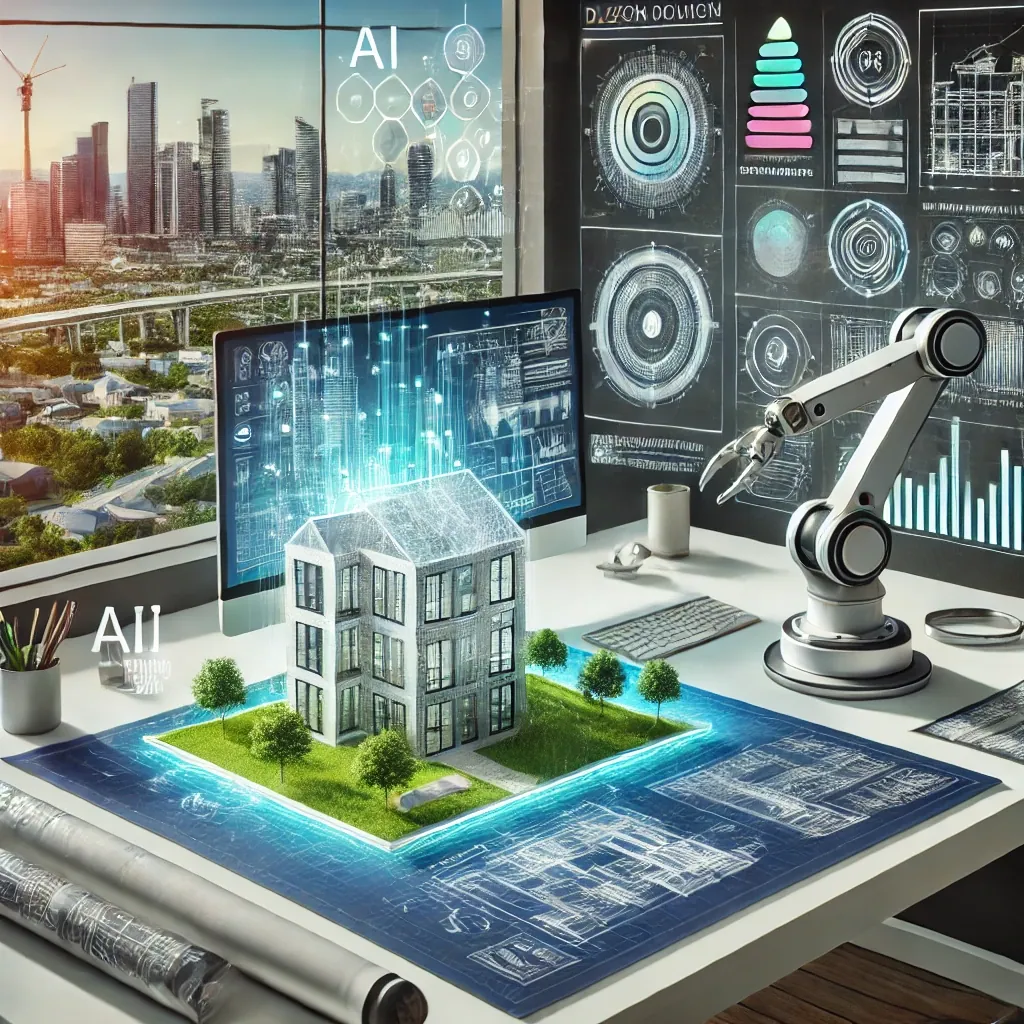
In recent years, Artificial Intelligence (AI) has become a game-changer across industries, and architecture is no exception. As architectural design evolves, the need for tools that can optimize creativity, efficiency, and sustainability grows. AI tools are at the forefront of this transformation, offering architects new ways to approach traditional design and construction processes. Whether you’re an established architect or an aspiring one, understanding how AI tools are reshaping the field is crucial to staying ahead. In this blog, we explore the most impactful AI tools revolutionizing architecture today.
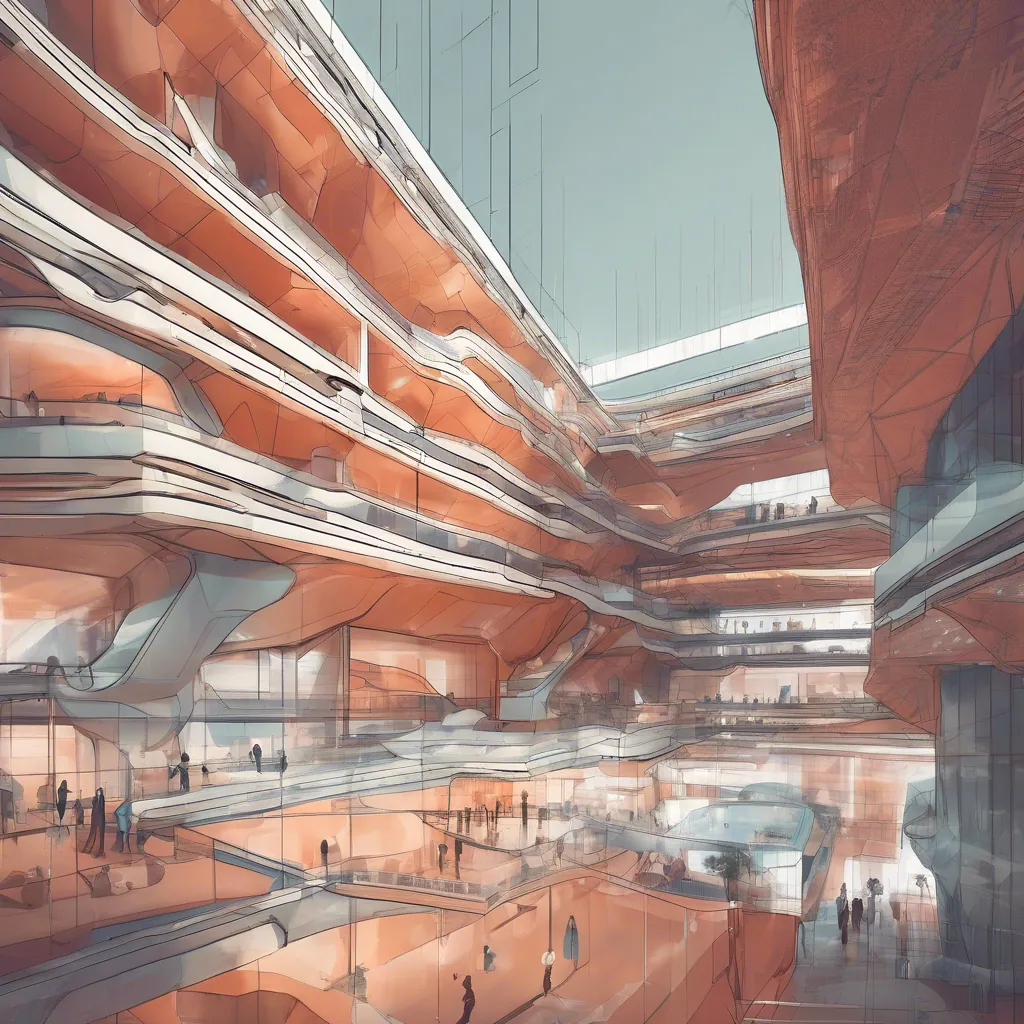
1. Generative Design: AI as a Creative Partner
Generative design is arguably one of the most groundbreaking AI applications in architecture. With tools like Autodesk’s Generative Design, architects can input design goals and constraints—such as space requirements, materials, and budget—and the AI generates multiple optimized design alternatives. What’s revolutionary about generative design is that it doesn’t just save time; it introduces creative possibilities that might not have occurred to the human mind.
Instead of replacing architects, AI in generative design acts as a creative partner, expanding the boundaries of what’s possible. The architect can then evaluate the AI-generated options and fine-tune them based on their expertise and the client’s vision.
2. AI-Driven Building Information Modeling (BIM)
Building Information Modeling (BIM) has long been a valuable tool for architects, but the integration of AI has elevated its potential. AI-driven BIM tools like Revit and ArchiCAD are now able to predict design flaws before they occur, improving not only the design process but also preventing costly construction errors. By analyzing data from past projects, these tools can suggest better ways to allocate materials and labor, making both the design and construction process more efficient.
Additionally, AI can enhance project visualization, giving clients a more accurate representation of what the final build will look like. Architects can make real-time adjustments, ensuring the design remains aligned with the client's expectations.
3. Streamlining Construction Management and Cost Estimation
AI tools are not just changing how architects design buildings but also how they manage the construction process. Tools like ALICE Technologies leverage AI to optimize construction schedules, predict potential bottlenecks, and even help with cost estimation. By automating these processes, architects and project managers can save time, reduce waste, and ensure projects stay on track and within budget.
For example, AI can analyze vast amounts of data—such as historical cost information and material availability—to provide more accurate estimates, helping architects present well-informed proposals to clients from the get-go.
4. AI for Sustainability: Designing Greener Spaces
Sustainability has become a central focus in modern architecture, and AI tools are playing a crucial role in this shift. AI can analyze a building’s potential environmental impact before construction even begins, allowing architects to optimize designs for energy efficiency, natural light, ventilation, and materials.
For instance, tools like Cove.Tool help architects design buildings that minimize energy consumption by analyzing environmental data such as climate patterns and sunlight. AI can also suggest eco-friendly materials and construction techniques, contributing to greener, more sustainable architectural practices.
5. Enhancing Client Experience with Virtual Reality (VR) and Augmented Reality (AR)
AI-enhanced Virtual Reality (VR) and Augmented Reality (AR) are changing how architects communicate with clients. With AI, architects can create immersive 3D models of buildings, allowing clients to take a virtual “walkthrough” of their projects before a single brick is laid. This hands-on experience not only helps clients visualize the final outcome but also provides them with the opportunity to request changes before construction begins, leading to greater client satisfaction.
AI-driven AR tools can also overlay digital models onto physical spaces, helping architects make real-time design adjustments on-site. This is particularly useful for renovation projects where existing structures need to be integrated into new designs.
6. AI in Urban Planning: Building Smarter Cities
Urban planning has always been a complex task involving the analysis of traffic patterns, population density, and environmental factors. AI takes this complexity and makes it more manageable. By processing large datasets, AI can help urban planners design cities that are more efficient, sustainable, and livable.
AI tools like CityEngine allow architects to model entire urban areas, taking into account variables like traffic flow, energy use, and pedestrian behavior. These insights enable more thoughtful city planning, ensuring that new developments are not only functional but also sustainable for future generations.
7. The Future of AI in Architecture: What's Next?
While the integration of AI in architecture is still in its early stages, the potential is limitless. As AI continues to evolve, we can expect to see even more sophisticated tools that will further streamline workflows, enhance creativity, and improve sustainability. Architects who embrace these tools will be at the forefront of innovation, leading the industry into a more efficient and creative future.
Conclusion
AI is transforming architecture in ways that are both practical and visionary. From generative design to construction management, sustainability analysis, and urban planning, AI tools are enabling architects to push the boundaries of what’s possible. Far from replacing human creativity, AI complements it, allowing architects to focus on what they do best—designing spaces that inspire, serve, and endure.
As AI continues to develop, it will undoubtedly play an even larger role in the architectural process. Architects who leverage these tools will not only improve efficiency and accuracy but also open up new possibilities for innovation in design. The future of architecture is here, and it’s powered by AI.